Bimini ferry Day Trip from $199 tax included >>
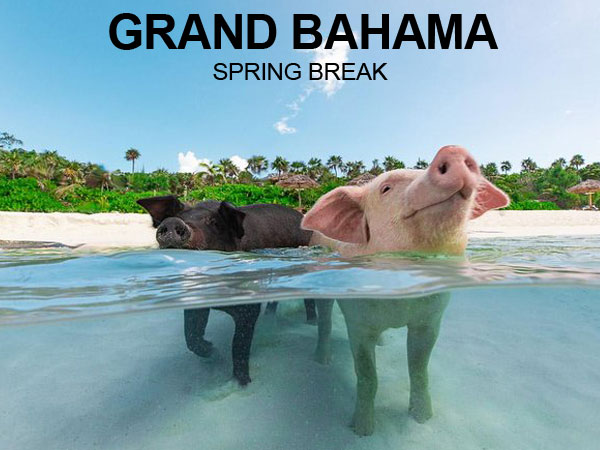
Enjoy a day trip in Bahamas with this super deal of Balearia Caribbean. You can buy your ferry tickets from $225 per person taxes included in your ferry tickets. It doesn't matter if your prefer to go to Bimini, the nearest bahamian island or to Freeport, Grand Bahama, for swimming with the pigs in White Beach. With this special offer for limited time you can go by ferry to Bahamas from only $155 + taxes. This offer is only valid for booking and travel the whole calendar 2025. Get the last cheapest seats to the Bahamas now!
Freeport Bahamas Day Trip from $225 >>
Day trip to Bahamas
Although a day trip to the Bahamas may seem like a short trip, it is actually a trip to paradise. Miami, and the southern coast of Florida, are only 60 miles from the Bahama Islands (58,8 miles to Bimini and 96,7 miles to Freeport, in Grand Bahama island). Bustling Miami, teeming with people, traffic jams and high-rise business buildings, is just a stone's throw away from the crystal-clear waters of the Caribbean and the tranquility of the Bahamas.
Day trip to Bimini Bahamas Info
| Day trip to Bimini |
from $155 + taxes |
| price per person, return trip |
only the ferry |
| More info and bookings |
Day trip to Bimini Bahamas |
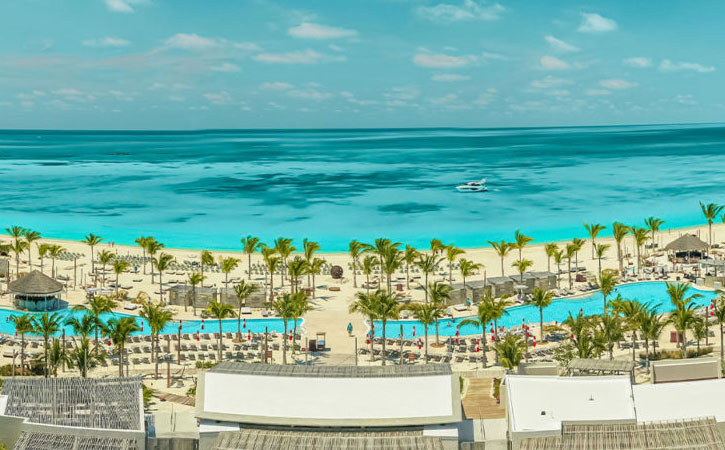
The Bahamas are a group of more than 700 islands, very famous for their warm climate throughout the year, their cuisine based on fish and shellfish and their beautiful beaches, almost virgin, that will take your breath away. The perfect place to make a day trip from Miami.
You can also take a day trip to Freeport, on Grand Bahama Island, another of the magnificent islands in the Bahamas that are close to Miami and Florida. From Fort Lauderdale the fast ferry takes only 3 hours to navigate and, although it may seem like a short time, your total stay on the island is the best and cheapest option to get to know a little bit of the Bahamas. And if you like it you can always come back and stay for several days.
Day trip to Bahamas Info
| Day trip to Bahamas (Freeport) |
from $155 + taxes |
| price per person, return trip |
only the ferry |
| More info and bookings |
Day trip to Bahamas (Freeport) |
Those who do not know these islands can visit them on a day trip to the Bahamas, by ferry or by plane, and find out if their next trip will be a 2, 3 or 4 day trip to the Bahamas or not.If you are on vacation in Miami (or in the south of the Florida) you can also take advantage of a one-day getaway to the Bahamas. More fun for little money.
Day trip to Bahamas from Miami Lately everyone in Miami wants to go to the Bahamas: some want to take a day trip and get to know Bimini, others - the younger ones - want to celebrate Spring Break on the beaches of Grand Bahama with All Inclusive and couples prefer to relax on the white sand beaches and crystal clear water to celebrate Memorial Day, for example.
Just 2 hours by ferry from Fort Lauderdale (30-45 minute drive from Miami) Bimini is the closest Bahamian island to Florida. To get to Grand Bahama from Miami - Fort Lauderdale it takes 3 hours by ferry. Balearia Caribbean is the shipping company that makes this connection. Because the distance between Miami - Florida and these islands of the Bahamas is so short, it is easy to make a 2, 3, 4 and 5 day trip to the Bahamas and stay in some of the hotels on the islands (Hilton World Resorts Bimini in Bimini island and Viva Wyndham Fortuna Beach All Inclusive hotel, Grand Lucayan Bahamas hotel, Flamingo Bay Hotel & Marina, Grand Lucayan Light House Pointe, Island Seas Resort, Taino Beach Resort hotel, Pelican Bay Resort hotel, Castaways Resort hotel and Bell Channel Inn hotel in Grand Bahama island), some of them even with All Inclusive packages.
We recommend this one day trip to Bimini (Bahamas) or to Grand Bahama island, to all those who live in one of the following cities, or in their vicinity: Miami, Fort Lauderdale, Hialeah, Port St. Luice, Pembroke Pines, Hollywood, Miramar, Coral Springs, West Palm Beach (all Palm Beach, North and South, Royal and Palm Beach Gardens), Pompano Beach, Miami Gardens, Davie, Boca Raton and Sunrise.
Most of the time, the best way for those living near Miami to travel to the Bahams is by ferry or plane. If your vacation destination is Bimini or Grand Bahama, it is better to go by ferry from Fort Lauderdale. It will take between 2 to 3 hours by ferry. From here you can access to our search engine for ferry to Bahamas.
If you prefer to travel to other islands of the Bahamas, such as Nassau or Exuma, it is better to travel by plane. You can find cheap hotels and flights to the Bahamas from Miami at this link: Hotels in Bahamas.
2 day trip to Bahamas
2 day trip to Bahamas Info
| 2 day trip to Bahamas |
from $398 + taxes |
| price per person, return |
ferry and hotel package |
| More info and bookings |
2 day trip to Bahamas |
Day trip to Bahamas from Fort Lauderdale
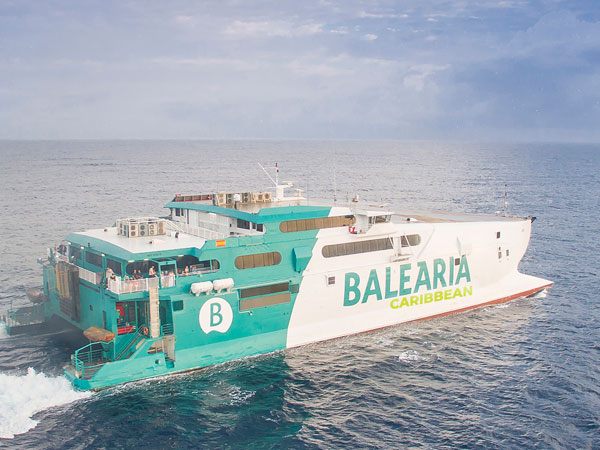
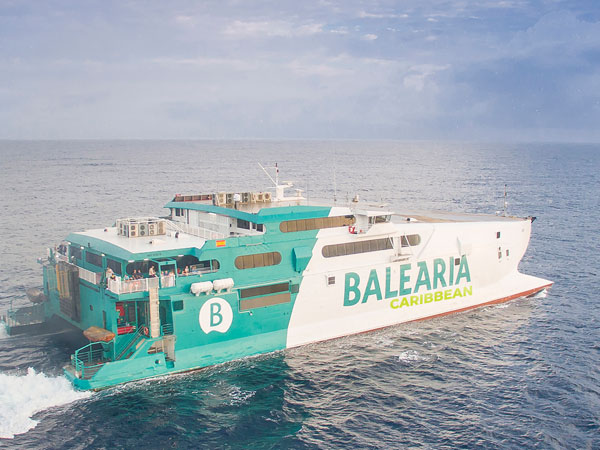
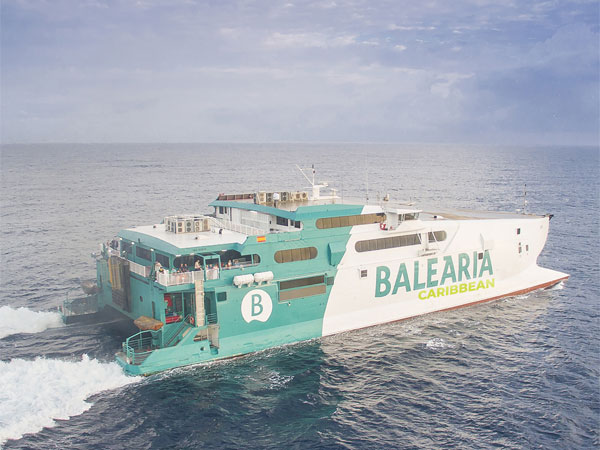
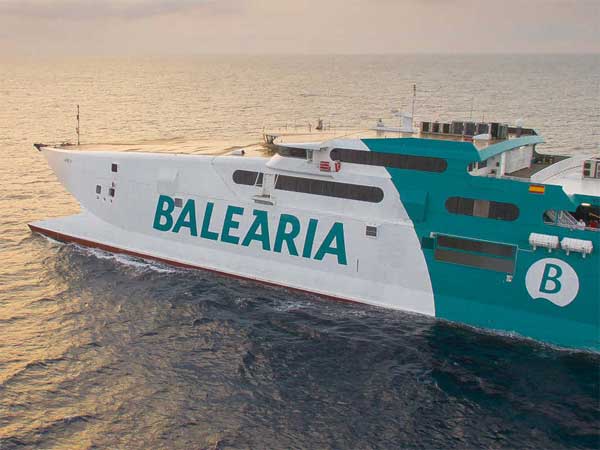
Fort Lauderdale is the city where the shipping company Balearia Caribbean has its headquarters and from where the ship Jaume II departs every day for the Bahamas (sometimes to Bimini and other times to Grand Bahama - Freeport).
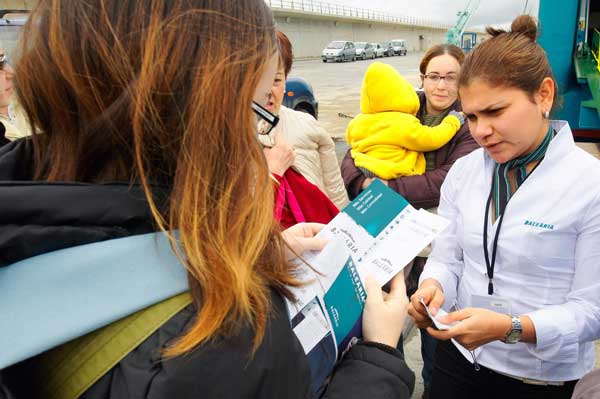
Remember that if you are going to board the Bimini ferry you have to be at the passenger terminal 3 hours before the scheduled boarding date. Boarding closes one hour before the ferry departure time. After this time Balearia Caribbean will not let you access the ship. We advise you to be in Port Everglade in plenty of time to board the ferry to the Bahamas.
For those of you who live in Fort Lauderdale, or near Fort Lauderdale, an hour's drive from Fort Lauderdale for example, it is very interesting to do this one day trip to the Bahamas, whether it is to Bimini or Freeport (Grand Bahama).
Getting to Fort Lauderdale from many Florida cities will take no more than an hour by car. Miami, Hialeah, Port St. Lucie and West Palm Beach are some big cities that are within a 1-hour drive from Fort Lauderdale. Other cities, such as Pembroke Pines, Hollywood, Miramar or Coral Springs, are located more or less 30 minutes by car from Fort Lauderdale and, therefore, it is very easy to get to the ferry terminal to the Bahamas with your car and enjoy your one day trip to Bahamas.
3 day trip to Bahamas
3 day trip to Bahamas Info
| 3 day trip to Bahamas |
from $698 + taxes |
| price per person, return |
ferry and hotel package |
| More info and bookings |
3 day trip to Bahamas |
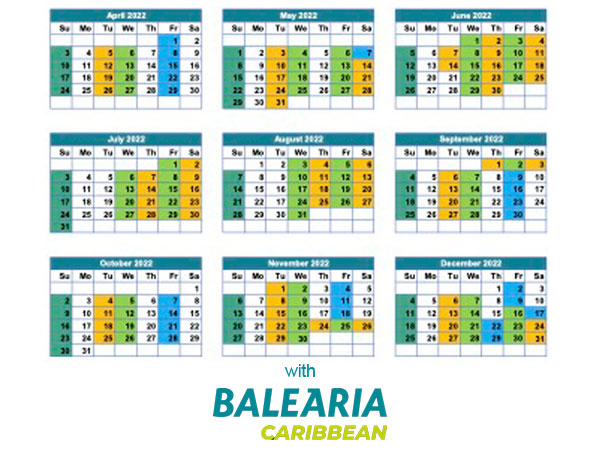
Bimini day trip. Bimini is the closest Bahamian island off the coast of Florida (USA) and the fastest way to get to the island is by ferry from Fort Lauderdale (30-45 minute drive from Miami). From Fort Lauderdale there are between 2 to 4 departures a week (depending on the month of the year), and the shipping company that does it is Balearia Caribbean. The trip between Fort Lauderdale and Bimini takes two hours and departs from the Port Everglades docks in Fort Lauderdale.
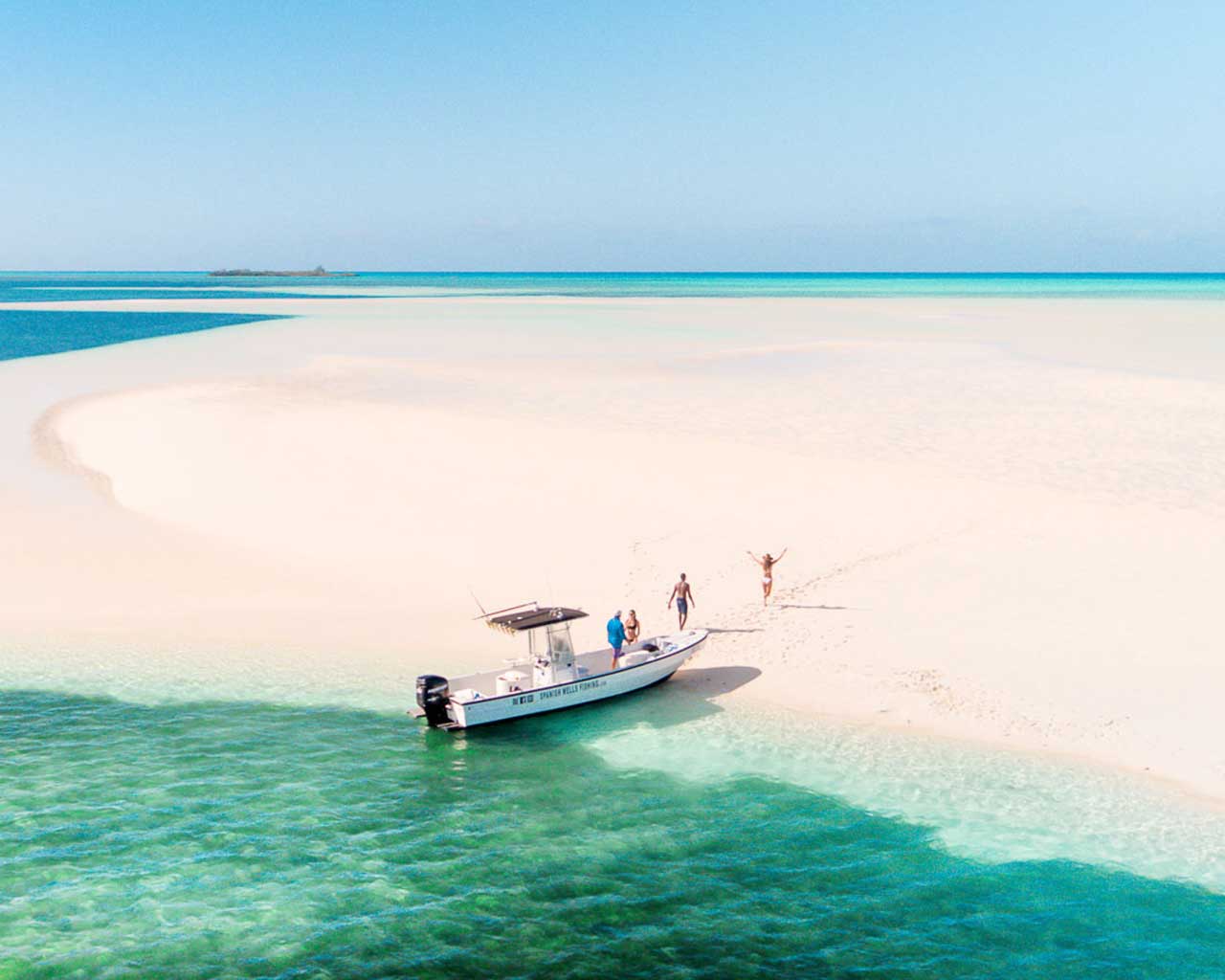
The ferry arrives at the pier in Alice Town (North Bimini) from where you can rent a golf car to explore this small island and go to one of its beautiful beaches, one of its famous beach clubs, where you can spend the day, or at the Hilton at World Resorts Bimini Hotel and Casino where you can also spend the day paying an extra admission.
During the ferry ride you can enjoy an outdoor deck and a cafeteria where you can order hamburgers, soft drinks or hot drinks. Once in Bimini we advise you to enjoy a refreshing seafood salad or grilled fish on the seafront. The lobster salad is also one of those dishes that you should not miss. Bury your feet in the white sand as your senses marvel at the culinary spectacle. Luxury turned into food.
Of course you should not forget a refreshing cocktail where you will notice the Caribbean character of its people. Ask for it with a little spice. Tabasco, lime and salt will give life to your drink.
If you like sea sports you can snorkel, swim with dolphins, kayak and paddle surf. Other sports, such as diving, feeding sharks or jet skiing, are recommended for longer stays in Bimini, from 2 to 5 day trips.
Discover the Hilton at Resorts World Bimini and prepare your next 3 or 4 day trip to the Bahamas. This hotel has panoramic views of the sea and the marina, more than ten restaurants, a casino and a roof pool that will make Instagrammers fall in love.
On a day trip to Bimini you will be between 5 and 6 hours on the island, so we recommend that you simply enjoy one of its beaches, try the local food and plan your next getaway to Bimini to spend your next vacation on the island with one of the ferry plus hotel packages.
4 day trip to Bahamas
4 day trip to Bahamas Info
| 4 day trip to Bahamas |
from $998 + taxes |
| price per person, return |
ferry and hotel package |
| More info and bookings |
4 day trip to Bahamas |
5 day trip to Bahamas
5 day trip to Bahamas Info
| 5 day trip to Bahamas |
from $1298 + taxes |
| price per person, return |
ferry and hotel package |
| More info and bookings |
5 day trip to Bahamas |
ferry or crusie day trip
If you are thinking about which is better, whether to do a ferry one day trip or a cruise one day trip to the Bahamas, we are going to present you the advantages and disadvantages of each of them, in our opinion.
ferry one day trip to bahamas, Pros: It only takes 2 hours from leaving Fort Lauderdale to arriving in Bimini - 3 hours if you do your one day trip to Grand Bahama. Traveling by ferry to the Bahamas makes the most of your time in Bimini (6 hours) or in Grand Bahama (5 hours).
Bahamas Cruise Day Trip, Pros: Cruise ships usually have pools, bars, entertainment. As soon as you leave Miami for the Bahamas, your vacation begins. As a rule, the ferry does not have a swimming pool and has a small cafeteria.
Bahamas Cruise Day Trip: Pros: On cruises you have the option to purchase All Inclusive beverage packages. From the moment you get on the cruise you are entitled to your drinks.
You can take a day trip to the Bahamas by ferry almost every day. Some days to Bimini and other days to Grand Bahama. One day (really one night) cruises have fewer departures and less flexibility in dates. In addition, with the ferry you can travel on a one day trip to the Bahamas all year round, while cruise ships usually do these mini cruises (1 or 2 nights) normally in low season.
As you can see, doing a one day trip to Bimini (or Bahamas) by ferry or on a cruise is very different. In addition to the price, there are other factors that you must take into account when choosing your next vacation in the Bahamas. But most importantly, never give up on the Bahamas vacations, whether you're vacationing at a resort in Bimini (Hilton for example) or cruising in Nassau or Exuma.
Book your one day trip to the Bahamas as soon as possible and get the best prices and offers.
Day trip to Bahamas from Miami (Fort Lauderdale)






























 Jaume II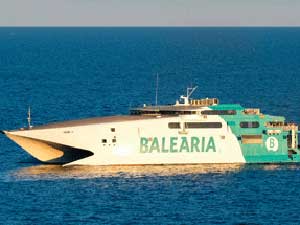


 J
J Ray
Ray